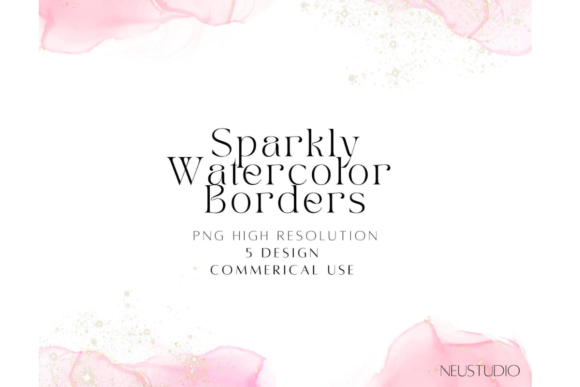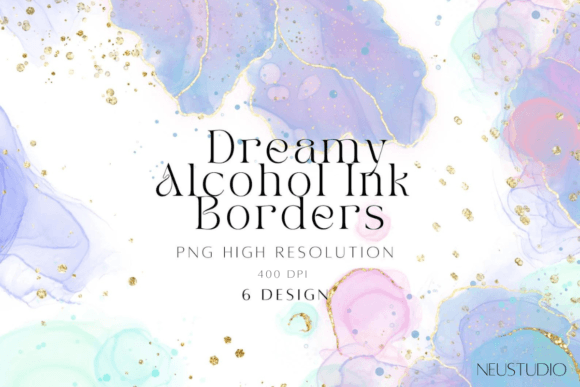
Elevate Designs with Watercolor Border Clip Art
In the fast-paced world of digital design, finding assets that balance professional polish with organic warmth can be a challenge. Watercolor border clip art has emerged as a versatile solution for creators who need to add a touch of elegance without spending hours painting from scratch. Whether you are designing a wedding invitation suite, crafting social media graphics, or building a brand identity, these high-resolution elements provide an immediate aesthetic upgrade. The appeal lies in their ability to soften rigid layouts and introduce a handcrafted feel to digital spaces.
Modern watercolor assets, particularly those mimicking the fluid dynamics of alcohol ink, offer more than just decoration. They serve as functional design tools that guide the viewer’s eye, frame important information, and establish a mood. With files available in transparent PNG and high-quality JPEG formats at resolutions like 8000 x 8000 pixels and 400 DPI, designers can scale these borders for everything from tiny digital stickers to large-format posters without losing clarity. This flexibility makes them an essential resource for freelancers, small business owners, and hobbyists alike.
The Versatility of Abstract Watercolor Borders
One of the primary advantages of using abstract watercolor borders is their adaptability. Unlike rigid geometric frames, watercolor edges are organic and unpredictable. This randomness allows them to blend seamlessly with various design styles, from minimalist modern to rustic chic. When you incorporate dreamy alcohol ink watercolor borders, you introduce a layer of depth and texture that flat colors simply cannot achieve. The bleeding effects and vibrant color transitions create visual interest that keeps the viewer engaged.
These borders are particularly effective for text applications. Because watercolor tends to fade softly into transparency, it provides a natural vignette effect. This draws attention to the center of the composition, making it ideal for quotes, announcements, or headlines. For instance, a motivational quote placed over a soft, blue-toned watercolor border feels more intimate and impactful than the same text on a plain white background. The border acts as a subtle spotlight, enhancing readability while adding artistic flair.
Practical Applications for Entrepreneurs and Marketers
For entrepreneurs and marketers, consistency in branding is key. Watercolor clip art can be customized to match specific brand palettes, ensuring that every piece of content feels cohesive. Here are several ways to integrate these assets into your business strategy:
- Social Media Graphics: Use transparent PNG borders to frame product photos or customer testimonials on Instagram and Pinterest. The high resolution ensures that images remain crisp on retina displays.
- Email Newsletters: Break up long blocks of text with subtle watercolor dividers. This improves readability and adds a premium feel to your communications.
- Digital Products: If you sell planners, journals, or e-books, watercolor borders can be used as page decorations or chapter headers, adding value to your digital offerings.
- Web Design: Incorporate soft watercolor edges into hero sections or footers to soften the hard lines of website layouts, creating a more welcoming user experience.
The key to successful implementation is moderation. While the textures are beautiful, they should support the content, not overwhelm it. Using a light opacity or choosing borders with ample negative space ensures that your message remains the focal point.
Creative Possibilities for Event Designers
Wedding invitations and event stationery represent one of the most popular use cases for high-resolution watercolor borders. The romantic, fluid nature of alcohol ink styles aligns perfectly with the emotional tone of weddings, anniversaries, and baby showers. Designers can mix and match different border styles to create unique suites that reflect the couple’s personality.
Consider the practical benefits of using transparent background files. When designing invitations, you often need to layer elements over textured paper backgrounds or photos. Transparent PNGs allow you to place the watercolor border directly over these layers without unsightly white boxes around the edges. This capability is crucial for achieving a professional, printed look. Furthermore, at 400 DPI, these files are print-ready, meaning you can send them directly to professional printers without worrying about pixelation or blurriness.
Beyond invitations, these assets are invaluable for creating cohesive event branding. Use the same watercolor motifs on:
- Table numbers and place cards
- Menu designs
- Welcome signs
- Thank you notes
This repetition creates a unified visual narrative that guests will appreciate. The ability to combine these borders with other clip art elements, such as floral illustrations or calligraphy fonts, allows for endless customization. You can create a lush, garden-themed border for a spring wedding or a bold, metallic-infused alcohol ink border for a modern evening gala.
Enhancing Digital Stickers and Printables
The rise of digital planning has created a surge in demand for high-quality digital stickers. Watercolor borders are perfect for this application because they can be easily resized and manipulated in planning apps. Users can drag and drop these borders onto their digital pages to highlight specific tasks, events, or notes. The transparent background ensures that the sticker blends naturally with the underlying planner template.
For those who prefer physical printables, the high resolution of these files means they can be printed on sticker paper or cardstock with excellent results. Hobbyists can create custom gift tags, bookmarks, or journal embellishments. The tactile quality of watercolor, even when printed, adds a sense of warmth and personalization that mass-produced items often lack. By combining different border shapes and colors, users can create unique artworks that reflect their personal style.
Technical Considerations for Best Results
To get the most out of your watercolor border clip art, it is important to understand the technical specifications. Files provided in both PNG and JPEG formats offer flexibility for different workflows. PNGs are essential for digital design due to their transparency support, while JPEGs may be preferred for certain print applications or when file size is a concern, though PNG is generally superior for maintaining quality with transparent areas.
The resolution of 8000 x 8000 pixels at 400 DPI is a significant advantage. Most standard web images are 72 DPI, and print materials usually require 300 DPI. Having assets at 400 DPI gives you a safety margin, allowing you to scale images down without quality loss. This is particularly useful if you need to crop a border to fit a specific aspect ratio. Always work with the highest resolution file available and scale down as needed, rather than trying to enlarge a smaller image, which results in pixelation.
When combining these borders with other elements, consider color harmony. Alcohol ink styles often feature vibrant, blending colors. Ensure that the text you place within the border has sufficient contrast. Dark text on a light watercolor wash works well, but if the border is dark or saturated, you may need to add a semi-transparent white shape behind the text to ensure legibility. This simple step can make the difference between a confusing design and a clear, effective communication tool.
Fostering Originality in Your Projects
While clip art provides a starting point, true creativity comes from how you manipulate and combine these elements. Do not be afraid to experiment. Rotate borders, flip them horizontally, or overlay multiple borders with different opacities to create complex, unique frames. You can also use clipping masks in design software to confine images or patterns within the shape of the watercolor border, creating intriguing visual effects.
For educators and publishers, these borders can help organize educational materials. Framing worksheets, certificates, or reading passages with soft watercolor edges can make learning materials more inviting, especially for younger students. The gentle aesthetics reduce visual stress and create a calm learning environment. Similarly, bloggers can use these borders to break up long articles, making content more digestible and visually appealing.
Ultimately, watercolor border clip art is more than just a decorative element; it is a tool for enhancing communication. By understanding its technical capabilities and creative potential, you can elevate your designs across various platforms. Whether you are a seasoned designer or a novice creator, these assets offer a straightforward way to add professionalism and artistic depth to your projects. Embrace the fluidity, experiment with combinations, and let the organic beauty of watercolor transform your creative workflow.