Golden Floral Mandala Frame with Letter R: A Guide to Smart Usage and Design
Digital design assets can be a double-edged sword. On one hand, they offer instant access to professional-grade visuals; on the other, misuse or misunderstanding of file types can lead to frustrating results. The Golden Floral Mandala Frame, Letter R is a striking example of an asset that looks simple but requires careful handling to maximize its potential. Whether you are a seasoned graphic designer, a small business owner creating branding materials, or a hobbyist crafting handmade invitations, understanding the technical nuances of this SVG artwork is essential for achieving high-quality outcomes.
This specific digital graphic combines intricate mandala patterns with a bold initial, offering a versatile foundation for logos, wall art, stationery, and web design. However, many users overlook critical details regarding resolution, color profiles, and file compatibility. By addressing these common pitfalls, you can ensure your projects look polished and professional rather than amateurish.
Understanding the Asset and Its Versatility
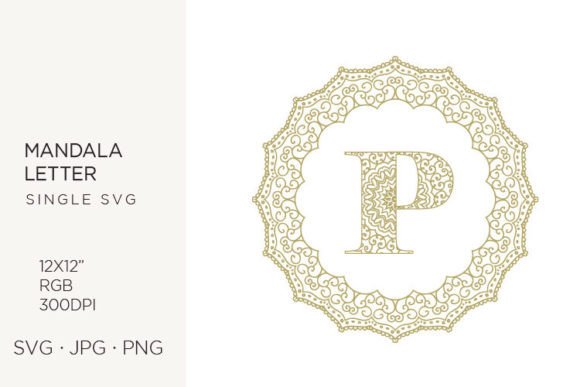
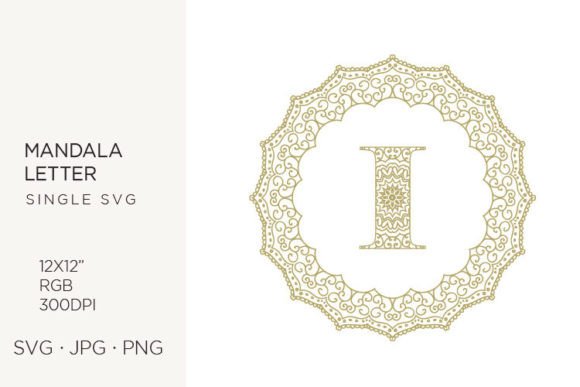
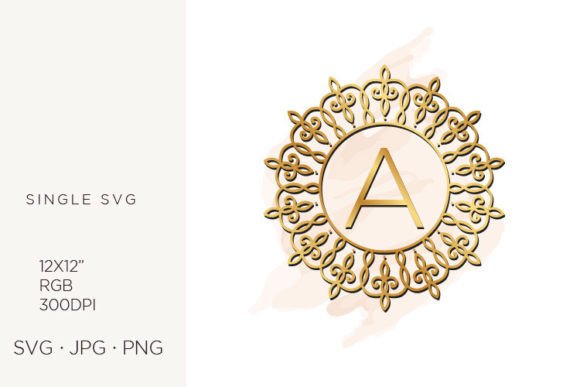
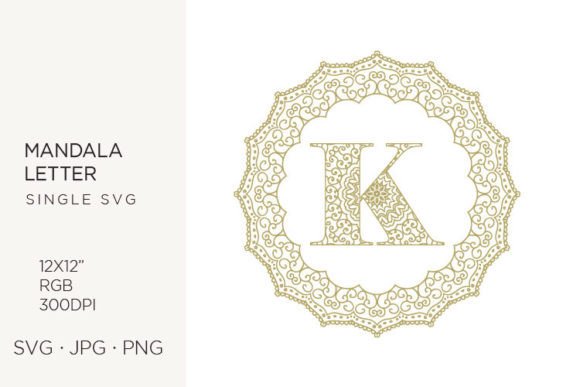
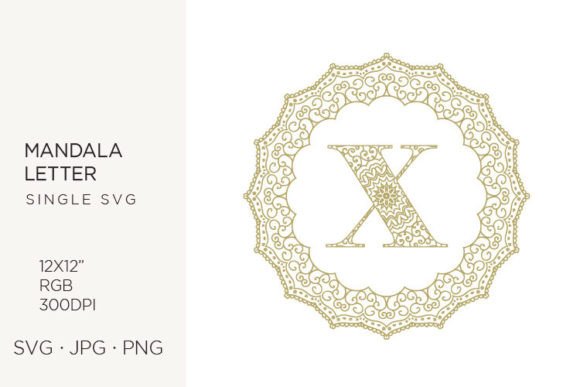
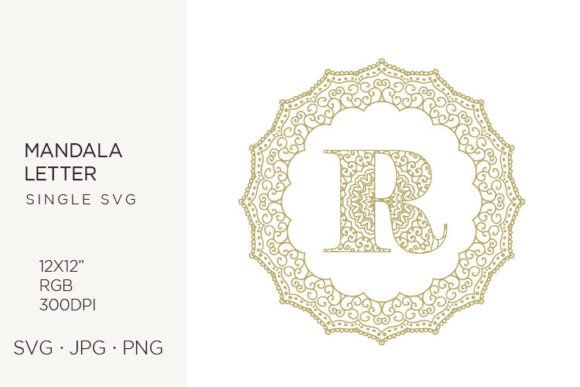
The Golden Floral Mandala Frame, Letter R is not just a static image; it is a multi-format digital package designed for flexibility. Included in the zip file are three distinct formats: an SVG file, a JPG file at 300 DPI, and a PNG file with a transparent background at 300 DPI. The artboard size is set to 12x12 inches, providing a square canvas that works well for social media posts, printed cards, and circular logo designs.
Creators are drawn to this element because it bridges the gap between ornate traditional aesthetics and modern minimalism. The golden hue suggests luxury and warmth, while the mandala structure offers symmetry and balance. This makes it ideal for wedding announcements, boutique branding, or decorative home crafts. However, the versatility of the asset depends entirely on choosing the right file format for the right job. Using a JPG for a logo overlay or an SVG for a complex photo manipulation can compromise the integrity of your final product.
Common Mistakes and How to Avoid Them
Even experienced creators sometimes stumble when integrating pre-made elements into their workflows. Here are the most frequent errors associated with using this type of digital graphics element and how to correct them.
Misunderstanding File Formats
The most significant mistake users make is ignoring the differences between SVG, PNG, and JPG. An SVG (Scalable Vector Graphics) file is vector-based, meaning it can be resized infinitely without losing quality. This is crucial for large-format prints like wall art or banners. If you attempt to enlarge the JPG or PNG beyond their original 12x12 inch dimensions, the image will pixelate and appear blurry.
Better Approach: Always use the SVG file for any project where resizing is necessary, such as logos or large signage. Reserve the PNG for digital overlays where transparency is needed, and use the JPG only for simple, fixed-size print jobs where layering is not required.
Ignoring Color Profiles and Resolution
The provided files are in RGB color palette at 300 DPI. While 300 DPI is standard for high-quality printing, RGB is a screen-based color model. Many beginners assume that what they see on their monitor will match exactly what comes out of a printer. In reality, RGB colors often appear more vibrant on screen than they do in print, where CMYK is the standard. This discrepancy can result in printed invitations or business cards that look duller or slightly off-color compared to the digital proof.
Better Approach: If you are sending this design to a professional printer, convert the file to CMYK before submission. Most design software allows for this conversion. Additionally, always request a physical proof if possible, or check with your print provider about their specific color requirements to avoid costly reprints.
Overlooking Transparency Issues
When using the PNG file for web design or layered compositions, users sometimes forget to check the background. While the PNG is described as having a transparent background, improper saving or editing can introduce white halos or artifacts around the golden edges. This is particularly noticeable when placing the mandala over dark or colored backgrounds.
Better Approach: Open the PNG in your design software and place it over a contrasting background to inspect the edges. If you notice jagged lines or white fringes, consider using the SVG file instead, as vectors render cleanly at any zoom level. Alternatively, use masking tools in your software to refine the edges of the PNG.
Practical Applications and Best Practices
To get the most out of the Golden Floral Mandala Frame, Letter R, consider the specific requirements of your project type. Here is how to apply this asset effectively across different mediums.
- Logo Design: Use the SVG file to ensure crisp lines at any size. Simplify the design if necessary by removing intricate details that may not reproduce well at small scales, such as on business cards or favicon icons.
- Wall Art and Home Decor: Leverage the 12x12 inch base but scale up using the SVG. Ensure your printing service supports vector files or high-resolution rasterization to maintain the sharpness of the floral details.
- Invitations and Stationery: Combine the mandala frame with elegant typography. Since the letter R is already integrated, ensure that any additional text complements the font style used in the asset. Maintain adequate white space to prevent the design from feeling cluttered.
- Web and Graphic Design: Use the PNG for quick web uploads, but optimize the file size to ensure fast loading times. For responsive designs, the SVG is preferable as it scales seamlessly across different device screens.
What to Check Before You Begin
Before diving into your creative process, take a moment to evaluate your tools and goals. First, confirm that your software supports SVG editing if you plan to modify the vector paths. Programs like Adobe Illustrator, Inkscape, or CorelDRAW are ideal for this. If you are using raster-based software like Photoshop, you can still use the SVG by importing it as a smart object, which preserves scalability.
Second, verify the licensing terms. While this asset is suitable for commercial use in items like handmade crafts and printed paper goods, always double-check the specific license agreement included in the zip file. Some licenses may restrict usage in certain contexts, such as trademarking the design as your own logo without modification.
Finally, consider the context of your audience. The golden floral motif conveys elegance and tradition. Ensure this aligns with your brand identity or the tone of your event. For a modern, tech-focused brand, this design might feel out of place, whereas it would be perfect for a wellness coach, a bridal boutique, or a luxury artisan.
By paying attention to these technical and aesthetic details, you transform a simple digital download into a powerful design element. The Golden Floral Mandala Frame, Letter R offers a beautiful starting point, but your informed decisions regarding format, color, and application will determine the final quality and impact of your work.