Human Anatomy Succulent Larynx Thyroid: A Guide to Artistic Medical Design
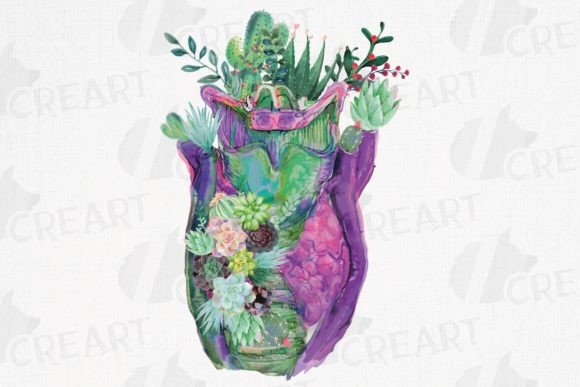
The intersection of scientific accuracy and botanical artistry has created a unique niche in digital design and home decor. The Human Anatomy Succulent Larynx Thyroid represents this fusion, blending the intricate structures of the human endocrine and respiratory systems with the soft, organic aesthetics of succulent plants. This design approach transforms complex medical illustrations into accessible, visually appealing art suitable for a wide range of applications, from educational materials to personalized gifts.
For individuals exploring this specific style of graphic design, understanding its components, versatility, and practical applications is essential. Whether you are a medical student, an endocrinology specialist, or a creative professional looking for unique decor elements, evaluating the utility of watercolour anatomy succulent larynx designs can help determine if they align with your project goals.
Understanding the Design Concept
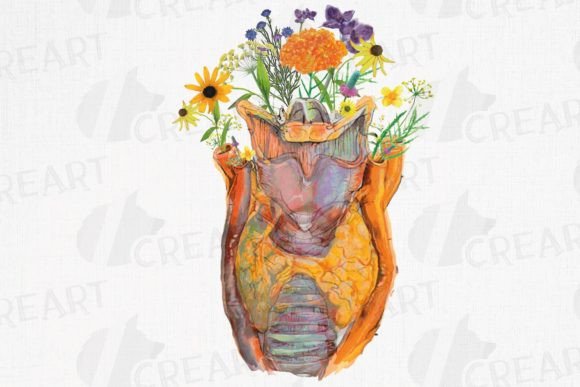
The core concept behind the Human Anatomy Succulent Larynx Thyroid is the harmonious combination of two distinct visual languages: clinical precision and natural beauty. The larynx and thyroid gland are critical components of human anatomy, often depicted in stark, monochromatic diagrams in textbooks. By integrating these structures with watercolour succulents, designers soften the clinical edge, creating a piece that is both informative and decorative.
This style appeals to those who appreciate the elegance of biological forms. The thyroid, a butterfly-shaped gland located in the neck, naturally lends itself to floral interpretations due to its symmetry. When paired with the structural complexity of the larynx and surrounded by succulent foliage, the resulting image serves as a powerful symbol of health, growth, and vitality. This makes it particularly relevant for endocrinology graphics, where the focus is on hormonal balance and metabolic health.
Practical Applications and Versatility
One of the primary reasons for the growing interest in this design format is its adaptability. The availability of these graphics in multiple file formats ensures they can be used across various mediums without compromising quality. Here are several contexts where this design excels:
- Professional Branding and Decor: For endocrinology thyroid specialists, incorporating this art into office decor or promotional materials can create a welcoming atmosphere. It bridges the gap between professional expertise and patient comfort.
- Educational Gifts: Medical students and healthcare professionals often seek gifts that reflect their field of study. A med student gift template featuring this design can be printed on notebooks, posters, or stationery, offering a personalized touch that standard anatomical charts lack.
- Apparel and Accessories: The design’s aesthetic appeal makes it suitable for clothing items such as anatomy sweatshirts, t-shirts, and tote bags. The watercolour style translates well to fabric, providing a sophisticated look that avoids the harshness of traditional medical diagrams.
- Home and Wedding Decor: Floral human anatomy printable home decor has gained traction among individuals who wish to display their passion for science in their living spaces. Additionally, for couples in the medical field, this theme can be adapted for wedding invitations, save-the-dates, and table settings, creating a cohesive and meaningful event theme.
Technical Considerations and File Formats
When selecting digital assets for creative projects, the technical specifications of the files are crucial. The value of a Human Anatomy Succulent Larynx Thyroid package lies largely in the variety and quality of the provided formats. A comprehensive package typically includes:
- Vector Files (SVG, AI, EPS): These formats are essential for scalability. Vector objects can be resized without any quality loss, making them ideal for large-format prints like posters or small details like stickers. Compatibility with Adobe Illustrator and Corel Draw ensures flexibility for professional designers.
- Raster Files (PNG, JPG): High-resolution PNG images with transparent backgrounds allow for easy layering over different colors or textures. This is particularly useful for web design, sublimation printing, and creating custom invitations where background integration is key.
- Layered PSD Files: Photoshop files with layered elements provide the highest degree of customization. Users can adjust individual components, such as changing the color of the succulents or modifying the shading of the thyroid, to match specific brand colors or personal preferences.
- PDF Files: Useful for quick viewing and printing, ensuring that the design is accessible even without specialized graphic design software.
It is important to note that high-quality packages should not include watermarks, logos, or paper textures on the purchased items. This ensures that the final product looks professional and clean, regardless of the application.
Benefits and Tradeoffs
Choosing this specific design style offers several benefits, but it also comes with considerations that buyers should evaluate.
Benefits:
- Aesthetic Appeal: The watercolour style is trendy and visually soothing, making anatomy approachable for non-medical audiences.
- Customizability: With editable vector and layered files, users can tailor the design to fit specific needs, such as matching wedding themes or brand identities.
- Versatility: The same design can be used for digital web content, physical merchandise, and large-scale wall art, providing excellent value for money.
Tradeoffs and Considerations:
- Technical Skill Requirement: To fully utilize SVG, AI, or PSD files, users need familiarity with graphic design software. While JPG and PNG files are easy to use, maximizing the potential of the package requires some technical knowledge.
- Context Appropriateness: While beautiful, this stylized representation may not be suitable for strict clinical or academic publications where precise, unadorned anatomical accuracy is required. It is best suited for decorative, educational, or promotional contexts rather than diagnostic ones.
- Print Quality Dependencies: The final output quality depends heavily on the printing method and materials used. For sublimation or waterslide transfers, ensuring the printer settings match the file resolution is critical to avoid blurriness.
Decision-Making Insights
To determine if the Human Anatomy Succulent Larynx Thyroid design is the right choice for your needs, consider your primary objective. If you are looking to create a heartfelt gift for a thyroid specialist or a medical student, the emotional resonance of combining their profession with natural beauty makes this a strong fit. Similarly, if you are designing home decor that reflects a passion for science without appearing sterile, this floral anatomy approach offers a balanced solution.
However, if your goal is strictly educational in a formal classroom setting, or if you require clinically precise diagrams for patient consultation, you might consider alternatives that prioritize anatomical exactness over artistic flair. In such cases, traditional medical illustrations may be more appropriate.
For crafters and small business owners, the ability to resize vector objects and change colors provides a significant advantage. It allows for the creation of diverse product lines, from mugs and tumblers to stickers and apparel, using a single asset package. This efficiency can streamline production and reduce design costs.
Conclusion
The Human Anatomy Succulent Larynx Thyroid design represents a thoughtful blend of science and art. Its versatility across various file formats and applications makes it a valuable resource for designers, medical professionals, and enthusiasts alike. By understanding the technical requirements and contextual suitability, users can effectively leverage this design to create meaningful, visually striking projects. Whether for personal enjoyment, professional branding, or gifting, this artistic interpretation of human anatomy offers a unique way to celebrate the complexities of the human body.