Wine Glass and Pearl Garland: Elevating Design with Elegant Vector Clipart
In the realm of digital design, the intersection of sophistication and versatility is often found in specific thematic elements. The combination of a wine glass and pearl garland represents a distinct aesthetic niche that appeals to creators seeking elegance, celebration, and refined minimalism. Whether you are designing wedding invitations, luxury branding materials, or decorative wall art, understanding the utility and technical specifications of these digital assets is crucial for achieving professional results. This article explores the unique characteristics of this clipart style, its technical foundations, and how it compares to other design resources, helping you make informed decisions for your creative projects.
Understanding the Aesthetic Appeal
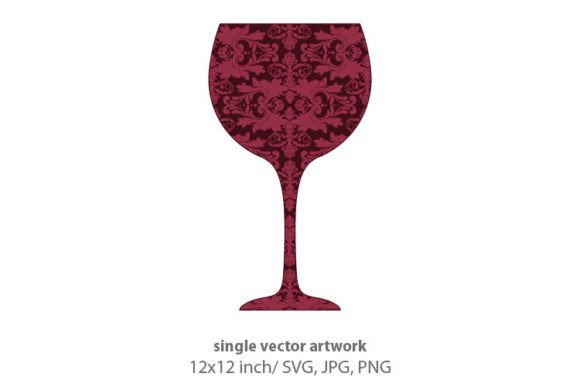
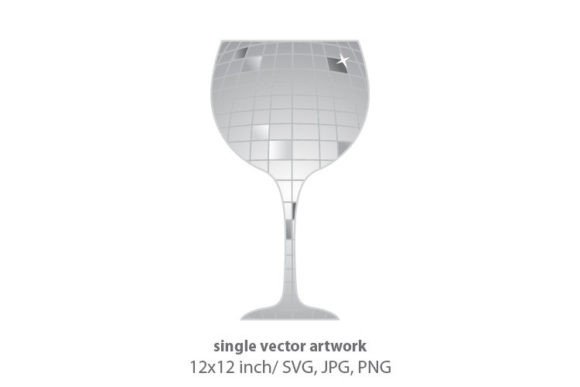
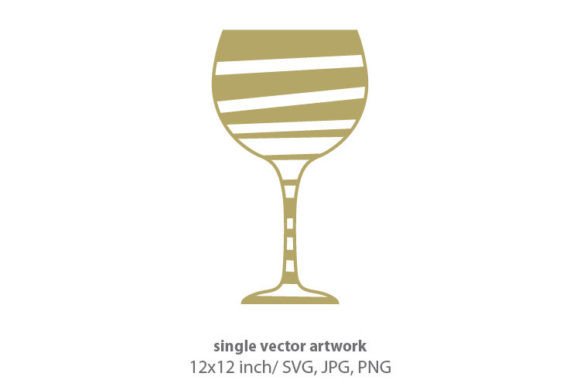
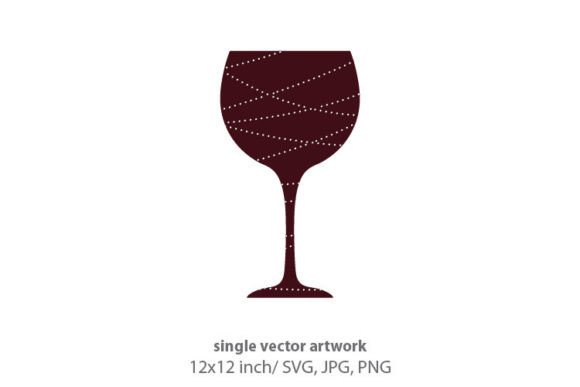
The visual pairing of a wine glass with pearl garlands evokes a sense of timeless celebration. The wine glass, often depicted with clean lines and subtle reflections, symbolizes hospitality, joy, and occasion. When intertwined with pearl garlands, which add texture, softness, and a touch of classic luxury, the composition becomes suitable for high-end applications. This specific motif is not merely decorative; it communicates a mood. It suggests events such as anniversaries, bridal showers, gala dinners, or upscale holiday gatherings.
What makes this particular clipart distinct is its balance between simplicity and detail. Unlike overly complex illustrations that can clutter a design, the wine glass and pearl garland elements are typically streamlined. This allows them to serve as focal points without overwhelming surrounding text or other graphic elements. For designers, this means the asset can be scaled up for large-format prints or scaled down for intricate stationery details without losing its inherent charm or clarity.
Technical Specifications and File Formats
When evaluating digital graphics, technical quality is paramount. The files in question are created using industry-standard vector software, specifically Adobe Illustrator. This origin ensures that the core artwork is resolution-independent, meaning it can be resized infinitely without pixelation. The standard artboard size for these assets is 12 x 12 inches, providing a square canvas that is ideal for social media graphics, print-on-demand products, and balanced compositional layouts.
The resolution is set at 300 DPI (dots per inch), which is the gold standard for high-quality printing. This ensures that when you transfer your digital design to physical media—such as cardstock, fabric, or vinyl—the edges remain crisp and the details sharp. The color palette is configured in RGB, which is optimized for digital displays, including websites, social media, and screen-based presentations. However, because the source is vector-based, converting to CMYK for professional offset printing is a straightforward process within most design applications.
Users receive these graphics in three primary formats, each serving a specific purpose:
- SVG (Scalable Vector Graphics): Ideal for web design and cutting machines. SVGs maintain their vector properties, allowing for easy editing of paths and colors in compatible software.
- PNG (Portable Network Graphics): Features a transparent background, making it perfect for layering over photos, textures, or colored backgrounds in digital compositions.
- JPG (Joint Photographic Experts Group): A universal format suitable for quick previews, email attachments, or platforms that do not support transparency.
Comparing Vector Clipart to Other Design Resources
Choosing the right graphic resource involves weighing several factors, including ease of use, customization potential, and final output quality. Here is how wine glass and pearl garland vector clipart compares to other common options:
Vector Clipart vs. Raster Images
Raster images (such as standard photographs or low-resolution JPEGs) are composed of pixels. When enlarged, they become blurry or pixelated. In contrast, vector clipart uses mathematical equations to define shapes. For projects requiring scalability—such as a logo that must appear on both a business card and a storefront sign—vector formats like SVG are superior. If your primary use case is web-only and fixed-size, raster images may suffice, but for versatile, multi-platform use, vectors offer greater long-term value.
Pre-made Clipart vs. Custom Illustration
Hiring a professional illustrator to create a custom wine glass and pearl motif offers complete uniqueness but comes with significant time and financial costs. Pre-made vector clipart provides a cost-effective alternative with immediate availability. While you may share the base design with other users, the ability to modify colors, adjust proportions, and combine elements allows for a high degree of personalization. For small businesses, hobbyists, or tight deadlines, pre-made vectors strike a practical balance between quality and efficiency.
Digital Files vs. Physical Embellishments
For crafters, the choice often lies between digital printing and physical embellishments. Using digital clipart allows you to print pearl effects and wine glass outlines directly onto paper, fabric, or vinyl. This is significantly faster and more durable than gluing actual pearls or handling fragile glass props. However, if tactile depth is essential for a specific luxury product, physical materials may still be preferred. Digital clipart excels in scenarios where consistency, reproducibility, and ease of application are priorities.
Practical Applications and Use Cases
The versatility of these digital graphics extends across numerous industries and creative hobbies. Understanding where these elements fit best can help you maximize their utility.
- Event Stationery: Wedding invitations, save-the-dates, and menu cards benefit from the elegant theme. The pearl garland adds a feminine, classic touch, while the wine glass hints at the celebratory nature of the event.
- Branding and Logo Design: For boutiques, wineries, jewelry stores, or event planning services, these elements can be integrated into logos. The vector format ensures the logo remains sharp across all branding materials.
- Home Decor and Wall Art: Designers can create printable wall art, combining the clipart with typography for inspirational quotes or event-themed decor. The 12x12 inch artboard size is particularly suitable for square prints or tile designs.
- Handmade Crafts: Users with cutting machines (like Cricut or Silhouette) can import the SVG files to cut vinyl decals for glassware, mirrors, or party decorations. The clean lines of the vector paths ensure smooth cutting.
- Web and Graphic Design: Bloggers and social media managers can use the PNG files to overlay elegant accents on promotional graphics, enhancing visual appeal without distracting from the main message.
Decision Factors: Is This the Right Choice for You?
Before purchasing or downloading these assets, consider your specific needs. The wine glass and pearl garland clipart is an excellent choice if you prioritize scalability, elegance, and ease of integration. It is particularly well-suited for designers who work across both digital and print mediums, as the provided file formats cover most standard requirements.
However, there are limitations to consider. If you require highly realistic, photographic representations of wine and pearls, vector art may feel too stylized or flat. Vector graphics excel in clean, illustrative styles rather than photorealism. Additionally, while RGB is standard for digital use, remember to convert your files to CMYK if you are sending designs to a professional printer to ensure color accuracy.
Another factor is editing capability. To fully leverage the SVG format, you need software that supports vector editing, such as Adobe Illustrator, CorelDRAW, or free alternatives like Inkscape. If you only work with basic image editors, the PNG and JPG formats will be more accessible, though they offer less flexibility for modification.
Final Thoughts on Integrating Elegant Elements
Incorporating a wine glass and pearl garland motif into your design toolkit offers a blend of classic aesthetics and modern convenience. By understanding the technical advantages of vector-based files—specifically the 12x12 inch, 300 DPI, RGB-configured assets—you can ensure high-quality outcomes across various media. Whether you are creating handmade cards, professional invitations, or digital content, these elements provide a foundational elegance that enhances rather than overwhelms your design.
Evaluate your project requirements against the strengths of vector clipart. If you need scalable, clean, and versatile graphics that convey sophistication, this resource is a strong candidate. For those seeking photorealism or tactile depth, alternative approaches may be necessary. Ultimately, the right choice depends on your specific creative goals, technical skills, and the intended medium of your final product. By making an informed decision, you can effectively leverage these digital assets to elevate your creative work.